 Molding Young Adult Recovery through Creative ArtsSober College,drug rehab for young adults, welcomes the addition of a studio grade ceramics kiln to its Visual Arts Studio.
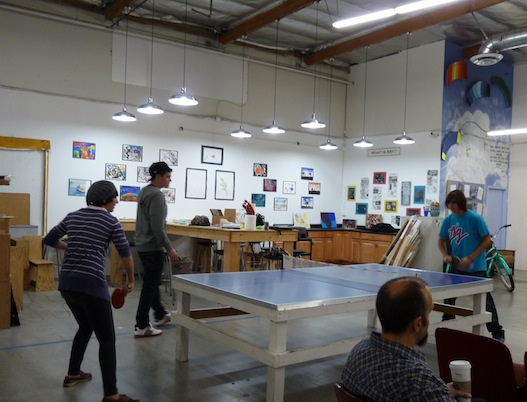
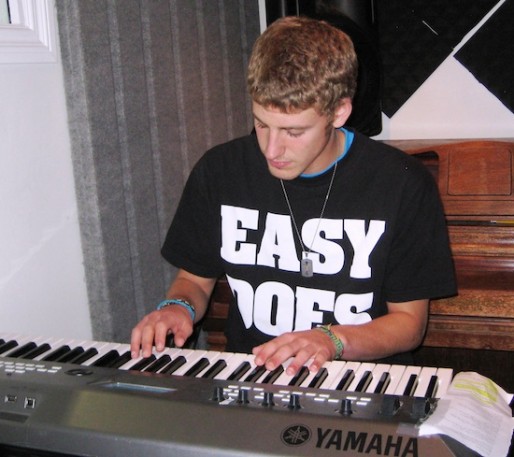
By: Sober College Since the opening of our professional Visual Arts Studio (see photo right), we have been able to bring many fine arts lessons, community projects, and art therapy groups to all Sober College students. “This student population is extremely creative, ranging from beginning to advanced artistic capabilities,” “The one major art technique we were missing, which had been requested over and over by residents, was ceramics,” Frank says. “Working with clay can be both therapeutic and enjoyable, providing endless project possibilities that create feelings of healthy gratification and accomplishment. I cannot wait to host my first ceramics group with the students.” The addition of ceramics therapy to the Sober College curriculum is the most recent testament to our constantly evolving program designed to keep young adults engaged in sobriety and the recovery process. The clinical program at Sober College utilizes urban experiential therapies, such as equine, trapeze, indoor skydiving, and surf therapy, in order to tap into the stunted emotional capacity of the young adult population in early recovery. Similarly, art therapy is used to take a student out of the “traditional” “There have been several occasions where I have encouraged a student to show their art project to their therapist,” Frank says. “A student’s art project can show how they are feeling, whether they are doing well, or if they are struggling. The art studio is a place where students can express themselves with something other than words… It may be easier for these young adults to draw a person in a box alone than to say I’m feeling lonely.” The Sober College Program was designed and operates with the understanding that all young adults are different and require an individualized treatment plan. In addition to ceramics and a number of visual art options, the Sober College Creative Arts Program includes an on-site, professional- We also have a fully equipped Film Department, where students have the opportunity to learn different acting techniques, work in front or behind the camera, and edit and produce films from beginning to end. By providing our students with a variety of creative arts options, all students are able to take advantage of the therapeutic benefits that creativity—whether it is through painting, singing, or acting—can have on their mind, body and spirit during the early stages of their recovery process. Creative arts classes are held twice a week and give students the opportunity to try new forms of expression and get involved in music, film, or art. In addition, all students participate in weekly art therapy groups focused on increasing their understanding of mindfulness, relapse-prevention, and gender roles. On Wednesdays, the entire Creative Arts Department comes together to collaborate on projects that include all three aspects of our arts program. Combining film, music, and art creates collaborative projects that bring the community together in a creative way, allowing student to express themselves as well as learn leadership skills and what it’s like to work as a team. In addition to these three afternoons, we offer a lunchtime creative writing club for those who want to express themselves in a new way as well as a textile arts club where residents can create their own piece of art they use on a day to day basis. The Creative Arts Therapy Program at Sober College is designed to encourage our young adults to express themselves, find their passion, deal with the emotions that arise during early recovery, and teach them healthy outlets where they can express their emotions that they can take with them when they leave treatment. Sober College is always looking for new ways to engage our students in self-expression, and new additions, like the kiln and ceramics therapy, will continue to develop as the young adult community grows and changes with the individual need of our population. Click below to check out Sober College’s Creative Arts Department in action with a film done by Sober College’s Film Department. http://youtu.be/ # # # Sober College, headquartered in Southern California, is a small private institution providing alcohol and drug treatment environments for young adults age 17 to 25. The Sober College curriculum builds core competencies in life skills, employment, academics, emotional well-being and fitness. For further information visit our website at http://sobercollege.com/ Phone: 818-415-3456 Fax: 818-274-0309 E-Mail: admissions@sobercollege.com Address: 6233 Variel Ave, Woodland Hills, CA 91367 Photos: https://www.prlog.org/ https://www.prlog.org/ https://www.prlog.org/ End
|




 Account Phone Number